
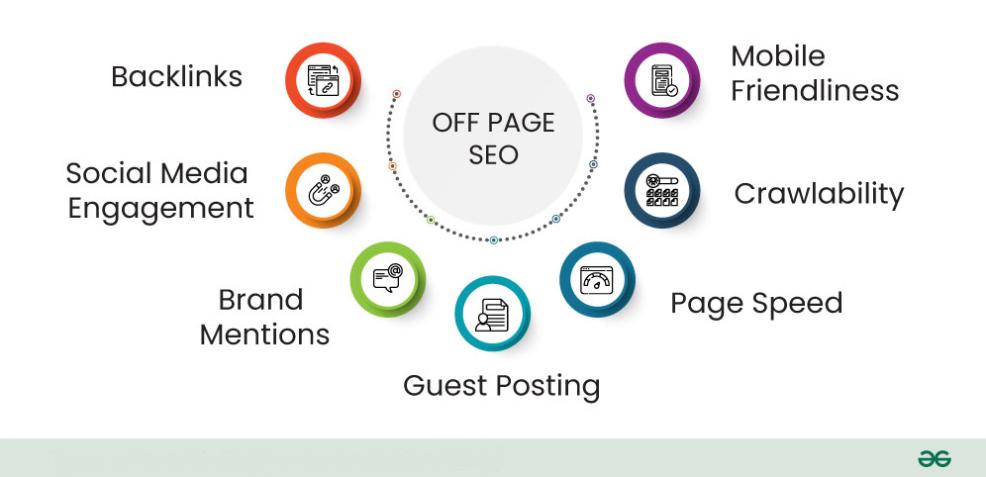
When people talk about SEO, most think only about keywords, blogs, and website optimization. But ranking on Google is not just about what happens on your website—it’s also about what happens outside your website.
That’s where off-page SEO comes in.
Unlike on-page SEO, off-page SEO refers to all activities done outside your website that improve your website’s authority, trust, and visibility in search engine results pages (SERPs). These external signals help search engines understand how other people and websites perceive your brand.
In simple terms, off-page SEO answers one important question for Google:
“Do others trust and recommend this website?”
If the answer is yes, your rankings improve naturally.
Why Off-Page SEO Is Important
Even the best website with high-quality content can struggle to rank if no one talks about it, links to it, or trusts it.
Search engines want to show users reliable and authoritative websites. Off page SEO builds that credibility.
Key Benefits of Off-Page SEO
- Builds domain authority
- Improves keyword rankings
- Increases organic traffic
- Strengthens brand visibility
- Generates referral traffic
- Improves online credibility
Websites with strong off-page signals are often seen as industry leaders, making it easier for them to rank for competitive keywords.
How Off-Page SEO Works
Search engines analyze how the rest of the internet interacts with your website. Every external signal acts like a vote of confidence.
For example:
- A backlink from a trusted website shows your content is valuable
- Brand mentions reflect recognition and trust
- Social shares signal popularity and relevance
The more high-quality signals your website earns, the stronger your off page SEO becomes.
Core Elements of Off-Page SEO
🔗 1. Backlinks—The Backbone of Off-Page SEO
Backlinks are links from other websites pointing to your site. They remain one of Google’s strongest ranking factors.
A high-quality backlink:
- Comes from an authoritative website
- Is relevant to your niche
- Uses natural anchor text
- Is placed inside meaningful content
- Is earned organically
Remember:
A few quality backlinks beat hundreds of spammy ones.
2. Smart Link Building Strategies
Ethical link building creates long-term growth.
Effective techniques include:
- Guest posting on relevant blogs
- Creating link-worthy content (guides, research, infographics)
- Broken link building
- Skyscraper technique
- Blogger and publisher outreach
Avoid shortcuts like buying links or automated spam—these can trigger penalties.
3. Brand Mentions & Citations
Even if someone mentions your brand without linking, search engines still recognize it as a trust signal.
Both linked and unlinked mentions improve brand authority and visibility.
4. Social Media & Visibility
Social links may be nofollow, but social platforms still indirectly support SEO.
They help you:
- Reach new audiences
- Drive traffic
- Attract natural backlinks
- Build brand awareness
Content that performs well on social media often earns organic links later.
5. Online Reviews & Reputation
Positive reviews build trust with both users and search engines.
Benefits include:
- Higher click-through rates
- Better local visibility
- Stronger brand credibility
Actively managing reviews is critical for service-based businesses.
6. Influencer Outreach
Influencers can amplify your reach and authority.
They can:
- Mention your brand
- Share your content
- Link back to your website
- Introduce you to new audiences
Choose influencers relevant to your niche for real impact.
7. Content That Attracts Links Naturally
Great content is still the foundation of off page SEO.
Examples of link-worthy content:
- In-depth tutorials
- Case studies
- Original research
- Expert roundups
- Infographics and visuals
Quality content attracts mentions and backlinks organically over time.
8. Community Participation
Engaging on forums, Q&A platforms, and niche communities builds authority.
Best practices:
- Provide genuine value
- Answer real questions
- Avoid spammy links
- Build long-term relationships
9. Local Off-Page SEO
For local businesses, off-page SEO also includes:
- Business directory listings
- Consistent NAP citations
- Local reviews
- Mentions on regional websites
Consistency across platforms boosts trust and rankings.
Off-Page SEO vs. On-Page SEO
| Off-Page SEO | On-Page SEO |
|---|---|
| External optimization | Internal optimization |
| Backlinks | Content quality |
| Brand mentions | Keyword usage |
| Authority & trust | Page structure |
| Reputation | User experience |
Both work together. You cannot succeed with only one.
Common Mistakes to Avoid
- Buying low-quality backlinks
- Over-optimizing anchor text
- Ignoring relevance
- Spamming forums and comments
- Neglecting brand reputation
Sustainable SEO always wins.
Best Practices for Off-Page SEO in 2026
- Focus on quality over quantity
- Build genuine relationships
- Publish valuable content
- Monitor backlink health
- Stay consistent and patient
SEO growth is a long-term investment.
Summary
Off-page SEO builds the trust and authority that search engines value the most. While on-page SEO helps Google understand your website, off-page SEO convinces Google that your website deserves to rank higher.
If you want stable rankings, consistent organic traffic, and long-term growth, off page SEO must be part of your strategy.
Explore our digital courses if you’re looking for a career in digital marketing. Learn practical SEO strategies, real-world projects, and industry tools that help you build high-income skills and future-ready expertise.